
The Slovak Liaison Office for Research and Development in Brussels (SLORD), together with the Polish Science Contact Agency, officially assumes the chairmanship of the Informal Group of RTD Liaison Offices (IGLO) as of 1 July 2026.
The decision to entrust the joint PolSCA–SLORD chairmanship was taken during the IGLO CORE meeting on 5 May 2026, where members expressed their confidence in the proposed leadership team. Building on the close cooperation between the two offices, this marks an important milestone for IGLO: for the first time, the network will be co-chaired by representatives of two countries. The chairmanship represents significant recognition of the professional standing of both offices within the Brussels research and innovation community and provides an opportunity to play an active role in coordinating cooperation among the network’s member organisations. Under this arrangement, SLORD and PolSCA will hold the chairmanship until July 2027.
“The fact that SLORD is taking over the co-chairing of the IGLO network for the first time is a clear expression of trust and recognition of the professional reputation the office has built over the years. We believe this position will help strengthen Slovakia’s visibility in Brussels and foster new partnerships that will have a positive impact on the Slovak research and innovation ecosystem,” said Róbert Gálik, Director General of the Slovak Centre of Scientific and Technical Information (CVTI SR).
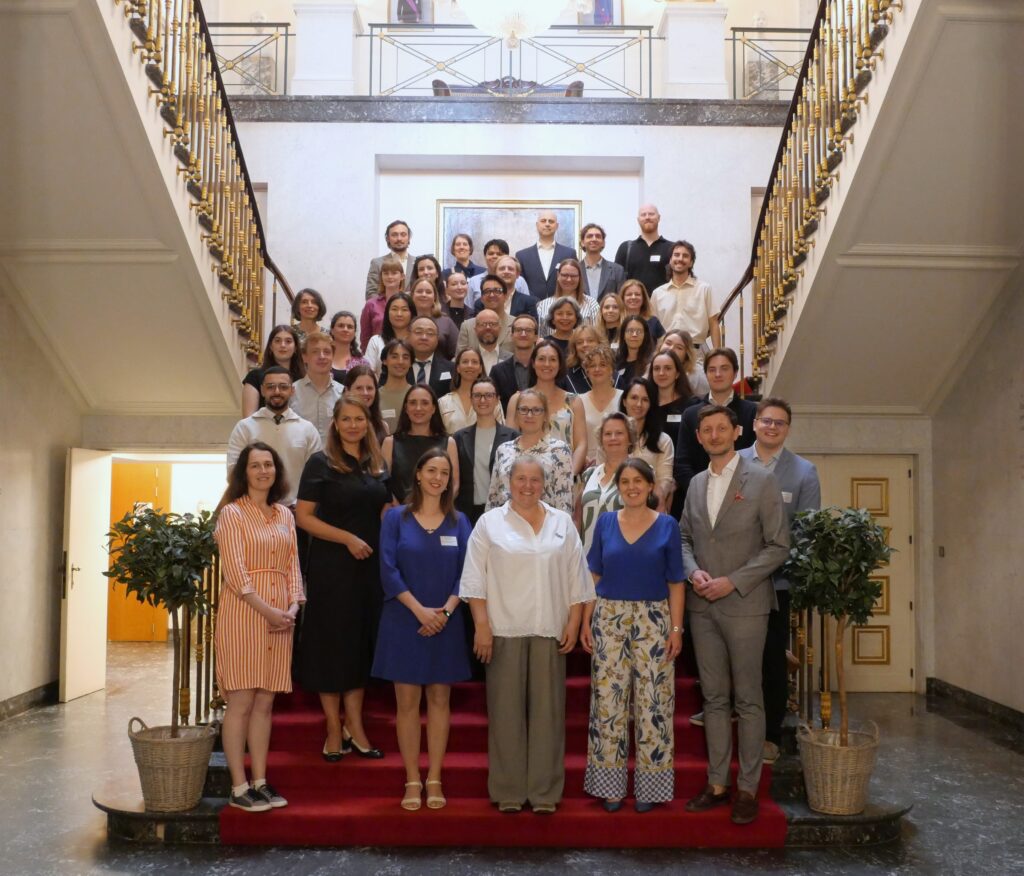
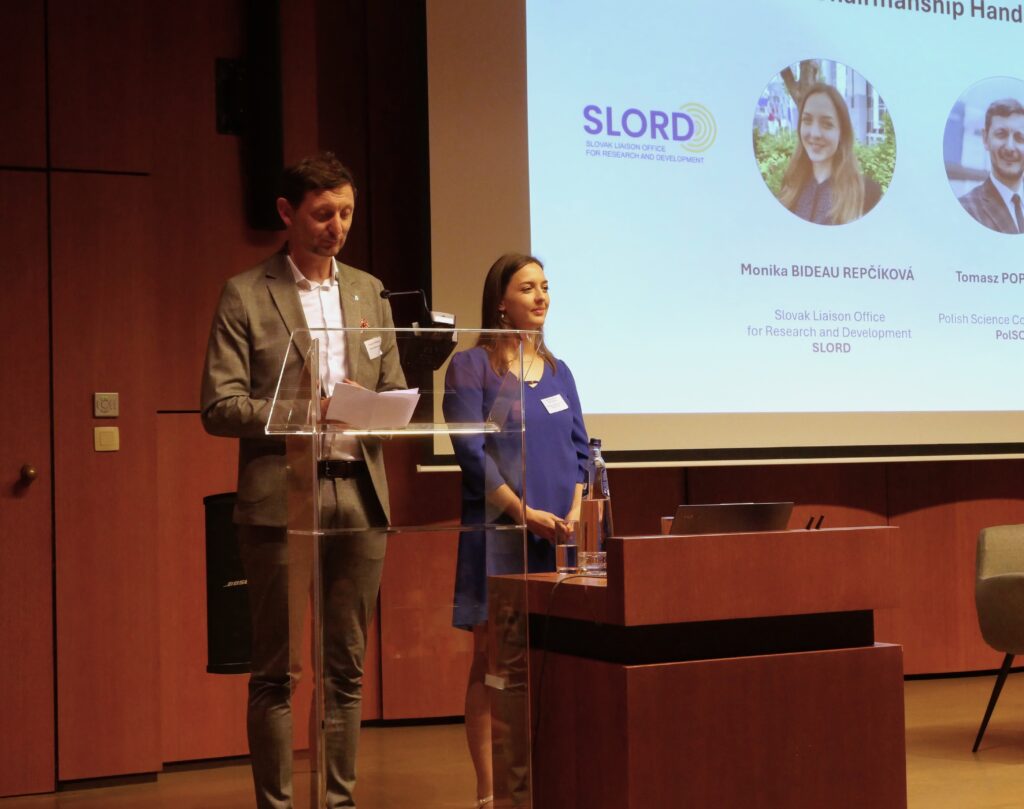
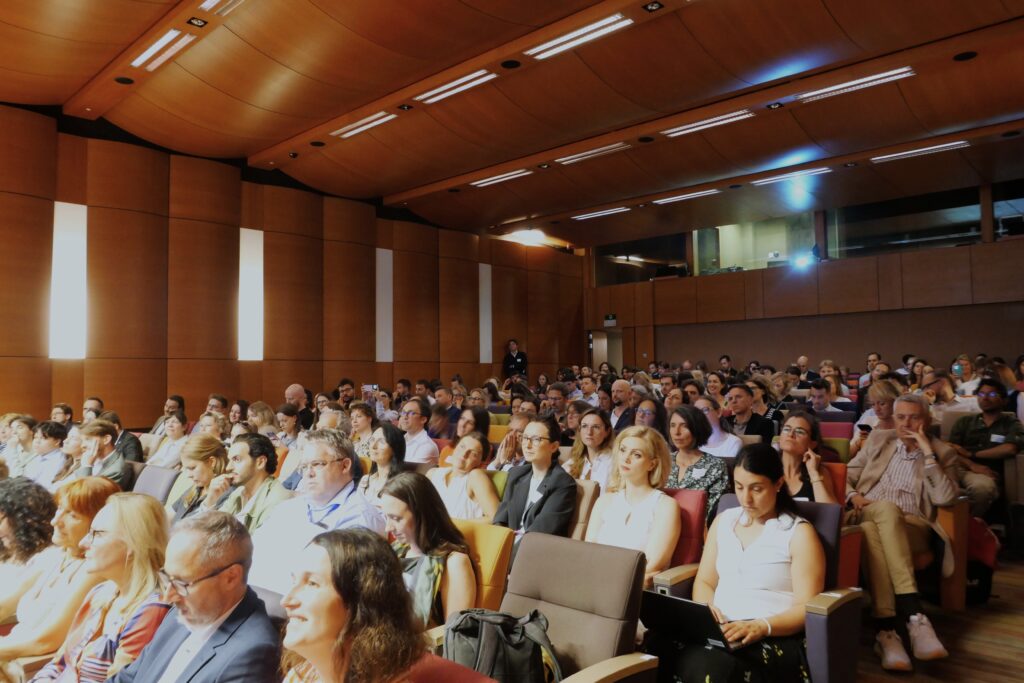
The symbolic handover of the chairmanship took place during the IGLO network’s annual event on 17 June 2026 in Brussels, attended by approximately 200 representatives of the European research and innovation community. Among the keynote speakers was Professor Maria Leptin, President of the European Research Council (ERC), who emphasised the importance of safeguarding the ERC’s independence and its core principle of scientific excellence. Another keynote speaker was Keith Sequeira, Director at the European Commission responsible for the European Innovation Council (EIC), who outlined the future direction of the EIC in the next programming period, 2028–2034.
IGLO network
The IGLO network has been operating successfully for more than 30 years. It was established in 1992 as an informal knowledge community of Brussels-based liaison offices focused on research and innovation. Today, it brings together 31 member organisations representing 29 countries from across the EU and beyond. SLORD has been a member of the network since its establishment in 2014.
The network aims to foster interaction, information exchange, and cooperation among IGLO members, national research and innovation systems, and European Union institutions on matters related to research, development, and innovation. Particular attention is devoted to the EU Framework Programmes for Research and Innovation, as well as the Erasmus+ programme.
“Assuming the IGLO chairmanship is an important opportunity for both SLORD and PolSCA to actively contribute to the further development of this well-established network. Our shared ambition is to strengthen links between national research and innovation communities and the European institutions, while also promoting the exchange of experience and good practices among the network’s members. For SLORD, the chairmanship represents another step in reinforcing Slovakia’s position within the Brussels research and innovation landscape,” said Monika Bideau Repčíková, Head of the SLORD Office.
IGLO Network Activities
Although IGLO member offices differ in size and organisational structure, they share a common mission. They represent their national research and innovation communities, support them in building international partnerships and securing funding from European Union programmes, and strengthen their presence within the Brussels research and innovation ecosystem.
Cooperation within the network enables member offices to provide researchers and innovators with timely information and high-quality support services, while also communicating the achievements, experiences, and needs of their national communities more effectively to the European institutions.
The network’s core activities include regular monthly meetings, the organisation of conferences, seminars, and workshops, collaboration through nine thematic working groups, a platform for connecting research teams, and internal training programmes for new staff members and trainees from the member offices.
Published 3.7.2026, slord